Why Your Grocery Bill Keeps Creeping Up (And the Math That Actually Fixes It)
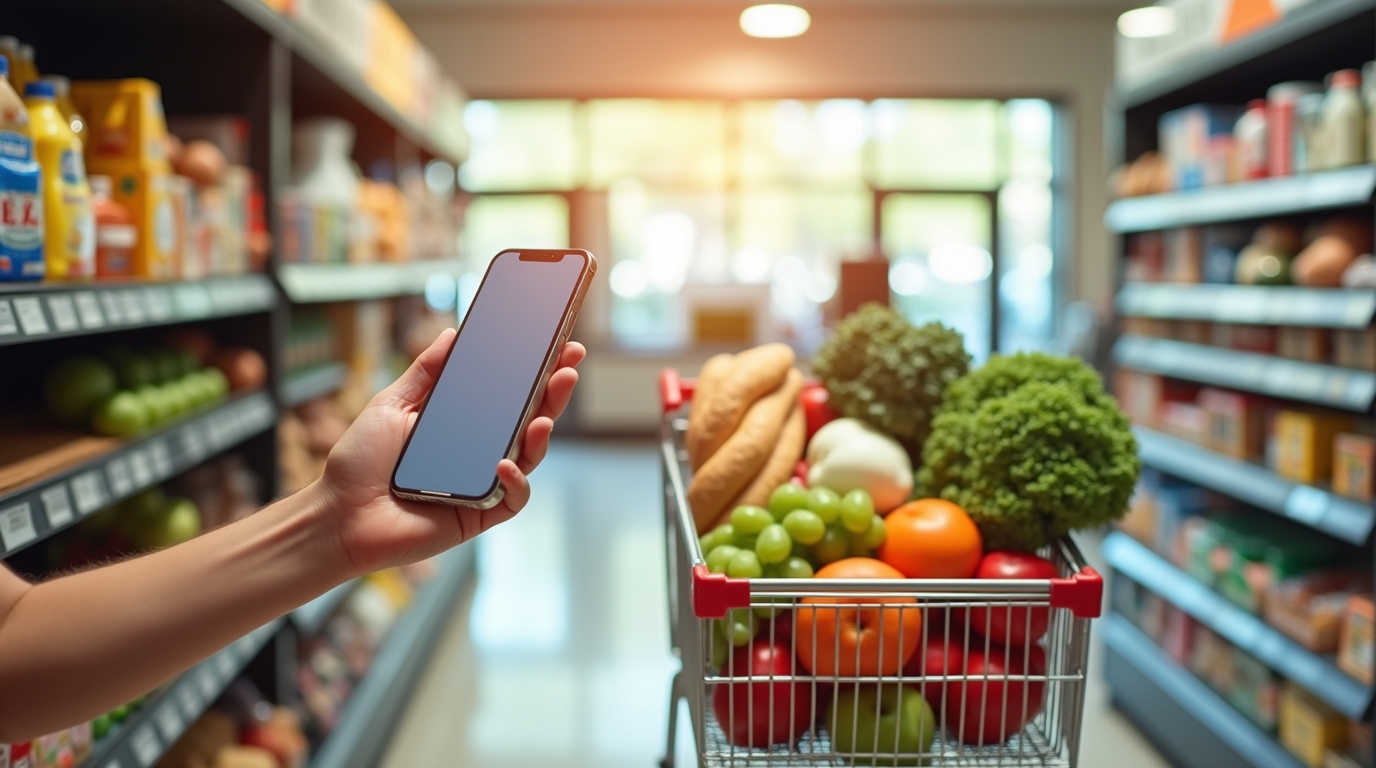
A family grocery shopping trip showing a digital grocery list on a smartphone, with a cart full of fresh and affordable food items.
Why Your Grocery Bill Keeps Creeping Up (And the Math That Actually Fixes It)
Most "save money on groceries" advice boils down to the same six tips: plan meals, make a list, buy seasonal, watch for sales, buy in bulk, don't waste food. All true, all useful — and all things you've probably already heard. What's usually missing is why the bill still creeps up even when you're doing those things, and the actual math behind the tips that make the biggest difference.
The Store Is Designed to Beat Your List
Grocery stores are laid out with deliberate psychology, and knowing the tricks helps more than any list app:
- Milk, eggs, and bread are placed at the back so you walk past everything else to get there
- Impulse items sit at checkout specifically because you're waiting, bored, and your guard is down
- Eye-level shelves are "prime real estate" that brands pay for — the cheaper, often better-value option is frequently on the top or bottom shelf
- End-cap displays (the ones at the end of an aisle) look like deals but are often regular price with better placement, not an actual sale
Knowing this changes how you shop: check top and bottom shelves before grabbing eye-level, and treat end-caps with mild suspicion until you check the unit price.
Unit Price Is the Only Number That Matters
The sticker price on two products tells you almost nothing on its own — a bigger package at a higher price can still be the better deal, or the worse one. Every shelf has a small unit price (cost per ounce, per unit, per 100g) printed near the sticker price, and comparing that number is the only reliable way to know which size actually costs less. Bulk sizes and "family packs" aren't automatically cheaper per unit — check before assuming.
This one habit outperforms almost every other savings tip, because it works on literally everything in the store, every trip, without any planning ahead of time.
The Generic vs. Brand-Name Gap Is Bigger Than You Think
Store-brand products are often made in the same facilities as the name brand, especially for staples like pasta, canned vegetables, spices, and baking ingredients — the recipe and manufacturing line can be nearly identical, just relabeled. The price gap is frequently 20–30%, sometimes more. A useful rule: for anything where flavor differences are minor (canned beans, flour, sugar, frozen vegetables), default to store brand. Save brand loyalty for the handful of products where you genuinely notice a difference.
Sales Only Save Money If You Were Buying It Anyway
A sale on something you don't normally buy isn't a discount — it's new spending. The tip "watch for sales" only pays off when it's applied to your actual staples: the pasta, chicken, rice, or coffee you buy every single week regardless. When one of those items goes on sale, that's the signal to stock up (within your storage limits), not when something unfamiliar catches your eye at 30% off.
The Freezer Is an Underused Savings Tool
Meat and bread are two of the biggest budget swings week to week, and both freeze well:
- Buy meat when it's discounted (often marked down near its sell-by date, still perfectly safe to freeze immediately) and freeze in meal-sized portions
- Buy bread on sale and freeze half the loaf — it thaws in an hour and doesn't go stale like counter-stored bread does
- Batch-cook a large portion of a meal and freeze individual servings for a night you don't want to cook, which also cuts down on expensive last-minute takeout
A Simple Weekly Routine
Rather than a long list of tips to remember, boil your routine down to four checkpoints:
- Before you shop: check what's already in your fridge/pantry so you don't buy duplicates
- In the aisle: compare unit price, not sticker price
- At the shelf: check top and bottom shelves before defaulting to eye-level
- At checkout: skip the impulse rack — if you want it, put it on next week's list instead of buying on the spot
The Bottom Line
The advice to "plan meals and make a list" is true but incomplete — the bigger lever is understanding how the store is designed to work against your budget, and defaulting to unit price and store brand as your baseline habit. Do that consistently, and sales and bulk buying become genuine bonuses instead of your only strategy.
Emma
A passionate curator of shopping insights and a firm believer that every grocery trip is an opportunity for smart living. Bringing you the best of Online Grocery List every week.