High Fibre Foods for Weight Loss – Best Diet Tips and Grocery Guide
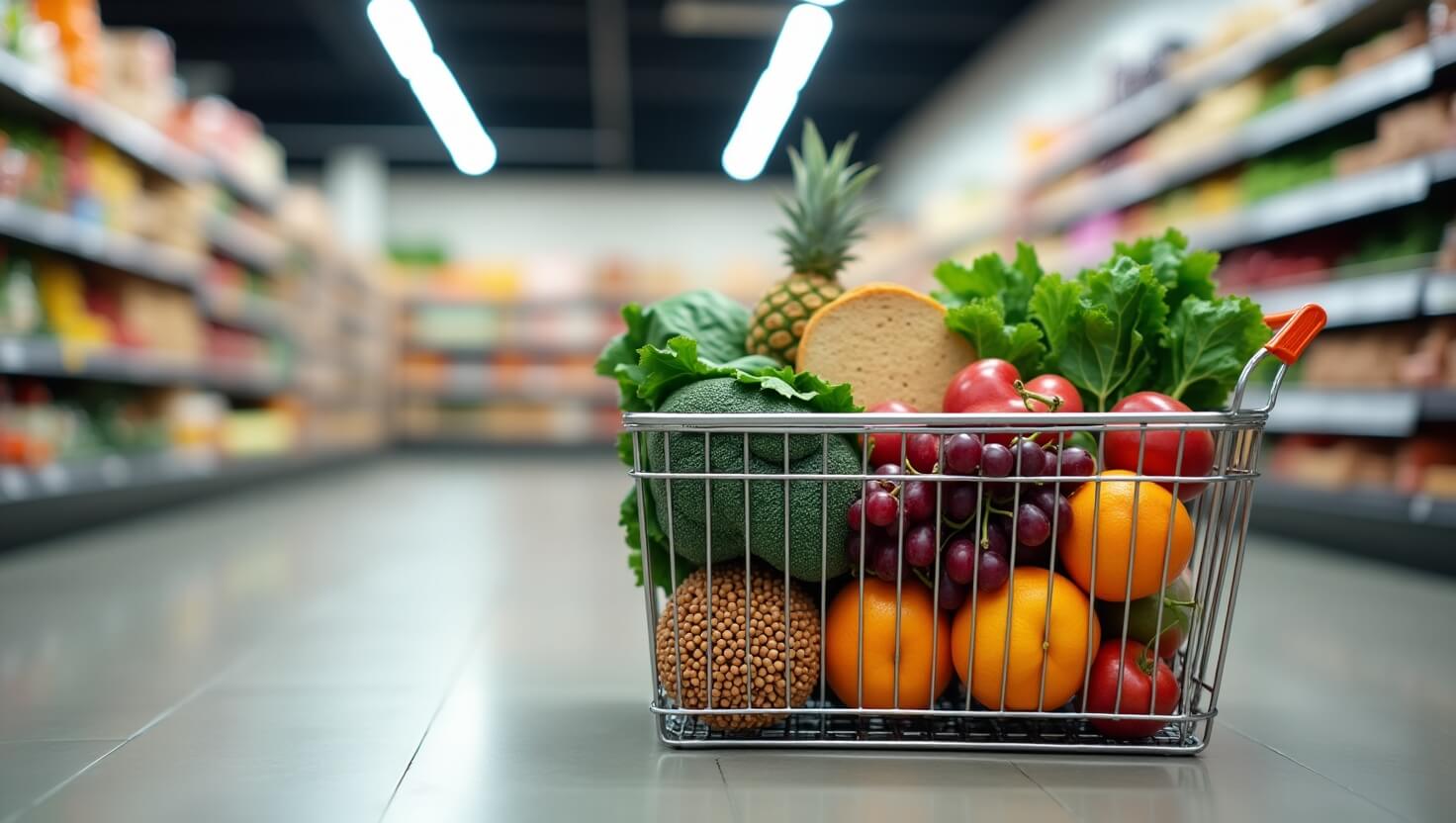
A colourful display of high fibre foods such as fruits, vegetables, beans, oats, and nuts arranged on a wooden table, representing healthy weight loss choices.
High-Fibre Foods for Weight Loss: A Grocery-Cart Approach
Most fibre advice tells you what to eat but not how much of your cart should actually be fibre-rich, or what to do when you're standing in the cereal aisle trying to tell a genuinely high-fibre product from one that just says "whole grain" on the box. This guide skips the biology lecture and focuses on the practical side: shopping, label-reading, and building meals that hit your fibre target without thinking too hard about it.
Why Fibre Helps With Weight Loss (Briefly)
Fibre isn't digested the way sugar or starch is, so it adds volume to meals without adding many calories. It slows down digestion, which keeps you fuller for longer and blunts the blood sugar spikes that often trigger snack cravings an hour later. That's really the whole mechanism — the rest is just picking foods that deliver it.
Most adults fall well short of the daily target: 25g for women, 30–38g for men, depending on which health authority you check. The gap usually isn't from eating badly — it's from a cart that's heavy on refined grains and light on the fibre categories below.
Read the Label, Not the Front of the Box
This is the part most fibre guides skip. Packaging claims like "made with whole grains" or "good source of fibre" are marketing terms with loose legal thresholds. Two things actually matter on the nutrition panel:
- Grams of fibre per serving — look for at least 3g to call something "high fibre," 5g+ is excellent
- First ingredient — it should be a whole grain by name (e.g. "whole wheat flour"), not just "wheat flour" or "enriched flour"
This one habit will change more of your cart than any food list, because it catches the products — cereals, breads, "grain" crackers — that are fibre-poor despite sounding healthy.
Build Your Cart in Four Categories
Rather than a long undifferentiated list, split your fibre shopping into four categories and aim to have at least one item from each in your cart every trip:
1. The base grain swap Replace one refined staple with its whole-grain version: white rice → brown rice or quinoa, white bread → 100% whole wheat, regular pasta → whole wheat or legume-based pasta. This single swap often adds more daily fibre than any "superfood" addition.
2. A legume you'll actually cook Lentils, black beans, chickpeas — canned versions are fine and just as fibre-rich as dried. The trick is buying a legume that fits a meal you already make: chickpeas for salads, black beans for tacos, lentils for soup. Buying a legume you won't use is how good intentions end up in the back of the pantry.
3. Produce with the skin on Apples, pears, potatoes, and cucumbers lose a meaningful amount of fibre when peeled. Buy these specifically to eat unpeeled, and wash rather than peel as your default.
4. A fibre "topper" Chia seeds, ground flaxseed, or hemp hearts — a spoonful stirred into yogurt, oatmeal, or a smoothie adds 3–5g of fibre without changing the meal. This is the easiest lever to pull on a day when your actual meals were lighter on fibre than planned.
A Sample Day, Built From the Cart
- Breakfast: Oatmeal (not instant flavored packets) + a spoonful of chia seeds + sliced pear with skin — roughly 12g fibre
- Lunch: Whole wheat wrap with black beans, spinach, and avocado — roughly 14g fibre
- Snack: Apple with skin + a small handful of almonds — roughly 5g fibre
- Dinner: Quinoa bowl with roasted broccoli and chickpeas — roughly 13g fibre
That's already over 40g for the day, without a single "diet food" — just whole-food versions of a normal day's meals.
Increasing Fibre Without the Bloating
Jumping from a low-fibre diet to a high one too fast is the most common reason people quit — the digestive discomfort feels like the food is "wrong" for them, when really the gut just needs time to adjust. A gentler on-ramp:
- Add one new fibre source per week rather than overhauling your cart in one trip
- Increase water intake alongside fibre — fibre needs water to do its job, and skipping this is the #1 cause of bloating
- Mix soluble sources (oats, beans, apples) with insoluble ones (whole grains, vegetable skins, nuts) rather than loading up on just one type
The Bottom Line
You don't need a list of forty fibre-rich foods memorized — you need four cart categories covered on every shopping trip, and a habit of checking the nutrition label instead of the front-of-box claims. Do that consistently and the 25–38g daily target takes care of itself.
Emma
A passionate curator of shopping insights and a firm believer that every grocery trip is an opportunity for smart living. Bringing you the best of Online Grocery List every week.