Healthy Snack Grocery List for Kids: Smart & Tasty Ideas Parents Love
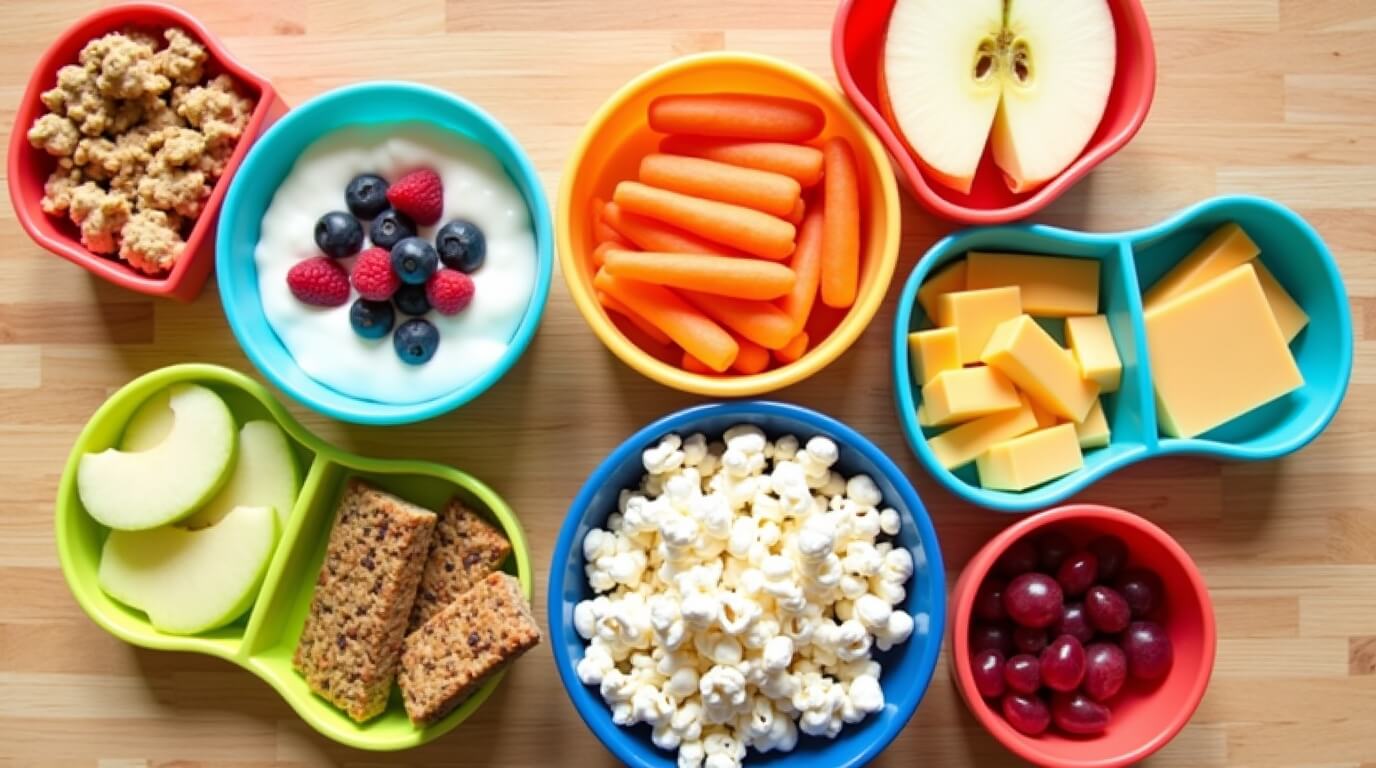
A colorful assortment of healthy snacks for kids, including fresh fruit, yogurt, cheese sticks, carrots with hummus, popcorn, and granola bars, portioned into small containers for easy snacking.
The Healthy Snack Grocery List That Actually Survives a Week
If you've ever opened the pantry on a Tuesday afternoon and found nothing but crumbs, wrappers, and a suspiciously empty cracker box, you already know the real challenge of feeding kids isn't picking healthy snacks — it's picking healthy snacks that last. Kids graze constantly, and a snack drawer that looked full on Sunday can be wiped out by Wednesday.
This list is built around that problem. Instead of just naming "healthy" foods, it's organized by how well each one holds up to a week of real-life snacking, plus a few tricks for stretching your grocery budget and keeping picky eaters on board.
Start With What Keeps
Not everything healthy survives a busy week in the fridge. Splitting your list by shelf life keeps you from over-buying produce that goes soft before anyone touches it.
Long-lasting (stock up, no rush):
- Apples, oranges, and clementines — all last 2–3 weeks refrigerated
- Carrots and celery, stored in water in the fridge to stay crisp
- Nut butters and seed butters (sunflower seed butter if your kid's school is nut-free)
- Whole grain crackers, rice cakes, and pretzels
- Shelf-stable applesauce and fruit pouches
- Canned or pouched tuna and chickpeas
Mid-week eat-first (buy for 3–4 days):
- Berries, grapes, and cut melon
- Yogurt tubes or cups
- Deli turkey or ham
- Hummus (opened containers lose freshness fast)
Freezer backups (never really run out):
- Frozen berries and mango chunks for smoothies
- Homemade muffins or pancakes, portioned and frozen
- Frozen edamame — microwaves in 3 minutes
- Whole grain waffles
Buying with this rhythm in mind means you're not tossing half a bag of spinach on Sunday because nobody ate it, and you always have a freezer option when the fresh stuff runs low.
The Protein Piece Most Lists Skip
A snack without protein or fat burns off fast, which is why kids can eat an entire sleeve of crackers and be hungry again in 40 minutes. Pairing is more important than the individual item:
- Apple slices + peanut butter
- Whole grain crackers + string cheese
- Carrots + hummus or Greek yogurt ranch dip
- Hard-boiled eggs + a piece of fruit
- Trail mix with nuts, seeds, and a small amount of dried fruit or dark chocolate
A good rule of thumb: if the snack is mostly carbs (crackers, pretzels, fruit, popcorn), add something with protein or fat to make it filling.
Age Changes What "Healthy" Looks Like
A snack that's perfect for a ten-year-old can be a choking hazard for a toddler. A few adjustments by age:
- Under 4: avoid whole grapes, whole nuts, popcorn, and raw carrot rounds. Quarter grapes, use nut butter instead of whole nuts, and slice carrots into thin sticks.
- 5–9: this is the sweet spot for most standard snack lists — whole fruit, cheese sticks, crackers, and cut veggies all work well.
- 10+: kids this age can often prep their own snacks. Keep ingredients accessible (low shelf in the fridge, snack bin at kid-height in the pantry) so they can self-serve healthier options instead of defaulting to whatever's easiest.
Working Around Allergies and School Rules
Many schools are now nut-free, and food allergies are common enough that it's worth building your list with substitutions in mind from the start rather than scrambling later:
- Swap peanut or almond butter for sunflower seed butter (SunButter is a common brand)
- Use dairy-free yogurt (coconut, oat, or almond-based) if there's a dairy sensitivity
- Choose fruit- and veggie-based snacks as your "safe default" — they rarely trigger the common allergens (nuts, dairy, egg, gluten)
- Read labels on granola bars and trail mixes specifically — cross-contamination warnings are common even in fruit-and-oat bars
Budget-Friendly Swaps That Still Feel Like a Treat
Pre-portioned snack packs are convenient but usually cost 2–3x more per serving than buying in bulk and portioning yourself. A few swaps that keep costs down without kids noticing a downgrade:
- Buy a large tub of yogurt and portion into small reusable containers instead of individual cups
- Air-pop popcorn at home instead of buying pre-popped bags
- Make a big batch of trail mix and divide it into snack bags for the week
- Buy block cheese and cut your own sticks instead of pre-cut string cheese
- Bake muffins or granola bars on a Sunday and freeze half
None of these require extra cooking skill — just five minutes of portioning that saves real money over a month.
A Week's Worth of Combos
Mix and match so nothing repeats two days in a row:
| Day | Combo |
|---|---|
| Mon | Apple slices + peanut butter |
| Tue | Yogurt + frozen berries (thawed) |
| Wed | Carrots + hummus |
| Thu | Whole grain crackers + cheese |
| Fri | Trail mix + orange |
| Sat | Homemade muffin + milk |
| Sun | Popcorn + string cheese |
The Bottom Line
A healthy snack list isn't just about which foods make the cut — it's about buying in a way that matches how fast kids actually eat, how long food actually lasts, and what your specific kid can safely handle at their age. Build your list around shelf life and protein pairings first, and the "healthy" part takes care of itself.
Emma
A passionate curator of shopping insights and a firm believer that every grocery trip is an opportunity for smart living. Bringing you the best of Online Grocery List every week.