Gluten-Free Grocery List Every Household Needs
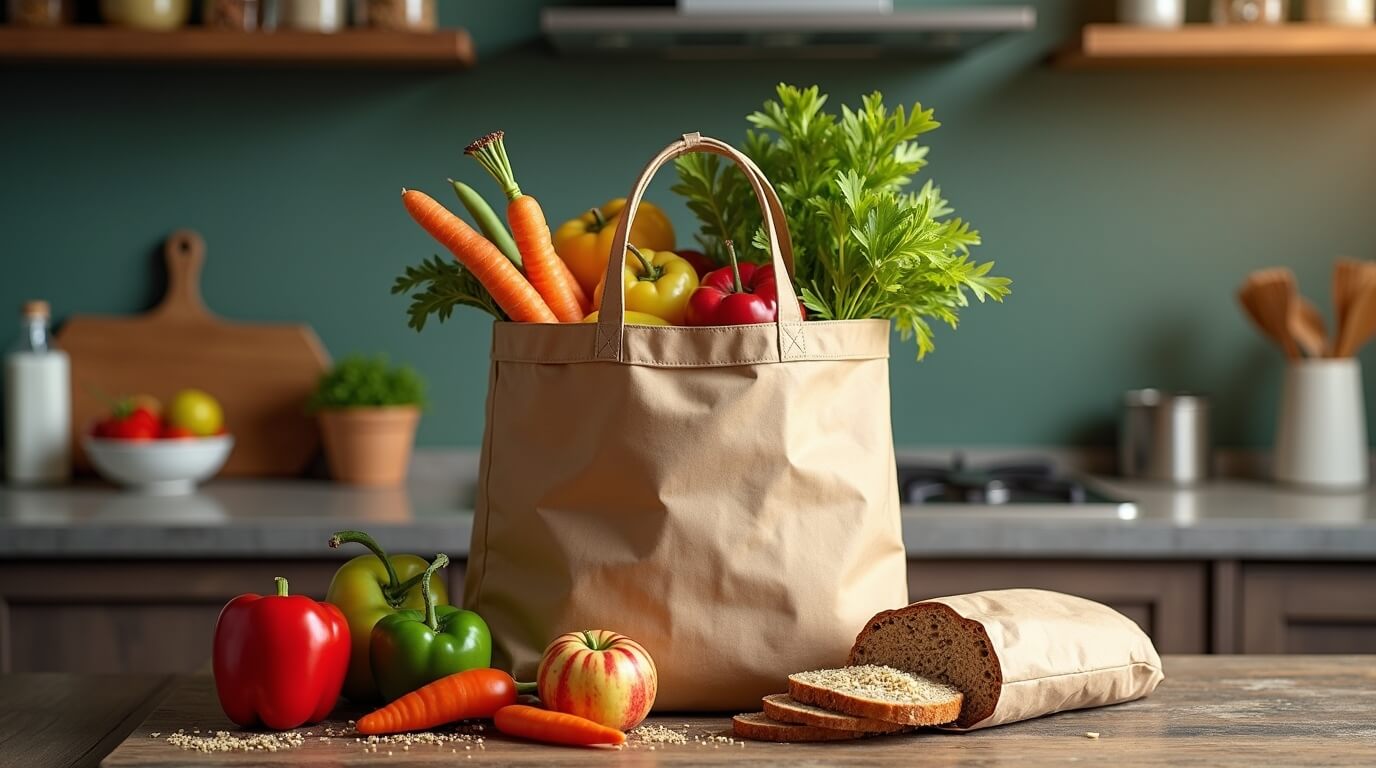
A beginner-friendly gluten-free grocery spread with fresh produce, grains, proteins, and pantry staples.
The Gluten-Free Grocery List That Actually Prevents Mistakes
Most gluten-free grocery lists are just a list of naturally gluten-free foods — fruit, rice, chicken. That part's easy. The part that actually trips people up is everything processed, where gluten hides in places you wouldn't expect: soy sauce, salad dressing, deli meat, even some spice blends. This list is built around that real risk, not just around which foods are safe in their plain form.
The "Naturally Safe" Zone
These foods don't contain gluten in their unprocessed form, so you can shop this section with almost no label-checking:
- Fresh fruit and vegetables (all of them)
- Plain meat, poultry, fish, and eggs
- Rice, quinoa, buckwheat, and corn
- Beans, lentils, and chickpeas (dried or plain canned)
- Plain milk, and plain yogurt without add-ins
- Nuts and seeds in their raw or roasted form (unflavored)
If you're newly diagnosed or just starting out, lean heavily on this list for the first few weeks. It builds confidence before you have to tackle the trickier aisles.
Where Gluten Actually Hides
This is the section most grocery lists skip, and it's the one that matters most. Gluten shows up as a thickener, binder, or flavor carrier in products that have nothing to do with bread:
- Soy sauce — traditionally brewed with wheat; look for tamari instead
- Salad dressings and marinades — often thickened with wheat flour or modified food starch of unclear origin
- Deli meat and sausage — fillers and binders can include wheat; pre-marinated meats are a common hidden source
- Soup bases and bouillon — flour is a common thickener
- Spice blends — anti-caking agents occasionally include wheat starch
- Shredded cheese — some brands coat shreds in wheat starch to prevent clumping
- Oats — naturally gluten-free, but almost always cross-contaminated during processing unless labeled "certified gluten-free"
The pattern: anything with a sauce, coating, or seasoning blend deserves a label check, even if the core ingredient (chicken, cheese, rice) is safe on its own.
Reading a Label in Ten Seconds
You don't need to read every ingredient every time. Train yourself to scan for three things:
- "Gluten-free" certification mark — the fastest confirmation, though its absence doesn't always mean a product is unsafe
- "Wheat" in the allergen statement — required by law on most packaged foods in the US, Canada, and EU; this is often faster to check than the ingredient list itself
- "May contain wheat" or shared-facility warnings — worth taking seriously if you have celiac disease rather than a non-celiac sensitivity, since even trace cross-contamination can trigger a reaction
Once you've checked a specific product and confirmed it's safe, it usually stays safe — manufacturers rarely change a formula without changing the packaging. Keep a running note on your phone of "cleared" brands so you're not re-checking the same salad dressing every trip.
Building Your Grain Aisle Replacement
The grain aisle is the one section of the store that changes completely, so it's worth planning it out rather than improvising:
| Instead of | Reach for |
|---|---|
| Wheat pasta | Rice, corn, or chickpea pasta |
| Wheat flour | Certified gluten-free all-purpose blend (for baking) or almond/rice flour |
| Regular bread | Certified gluten-free bread (freezes well — buy a few loaves at once) |
| Soy sauce | Tamari or coconut aminos |
| Regular oats | Certified gluten-free oats |
| Breadcrumbs | Crushed rice crackers or certified gluten-free panko |
Buying two or three of these at a time and freezing what you can (bread especially) means you're not making a special trip every time you run out.
A Starter Week of Meals
- Breakfast: Certified gluten-free oats with fruit and nut butter
- Lunch: Rice bowl with grilled chicken, roasted vegetables, and tamari
- Dinner: Baked salmon, quinoa, and steamed broccoli
- Snack: Rice cakes with avocado, or plain yogurt with berries
None of these require a specialty gluten-free product beyond the tamari swap — which is the point. Most meals can be built almost entirely from the "naturally safe" list, with processed swaps reserved for the handful of things (bread, pasta, soy sauce) you genuinely can't recreate from scratch.
Eating Out and Cross-Contamination
Grocery shopping is only half the picture — cross-contamination at home matters too, especially for celiac disease:
- Use a separate toaster or toaster bags for gluten-free bread
- Keep a dedicated gluten-free butter or peanut butter jar if others in the household use a knife that's touched regular bread
- Wash cutting boards and colanders thoroughly between gluten and gluten-free cooking, or keep a second set
The Bottom Line
The naturally gluten-free foods are the easy 80% of your cart — the real skill is learning to spot the processed 20% where gluten hides, and building a short list of trusted "cleared" brands so label-reading stops being a chore after the first few trips.
Emma
A passionate curator of shopping insights and a firm believer that every grocery trip is an opportunity for smart living. Bringing you the best of Online Grocery List every week.